Font size:
+A
-A
Mode:
Return to the normal mode
Switch to the mode for the visually impaired

KMG Marks World Environment Day

05.06.2026

Today, JSC NC “KazMunayGas” hosted an event dedicated to World Environment Day.

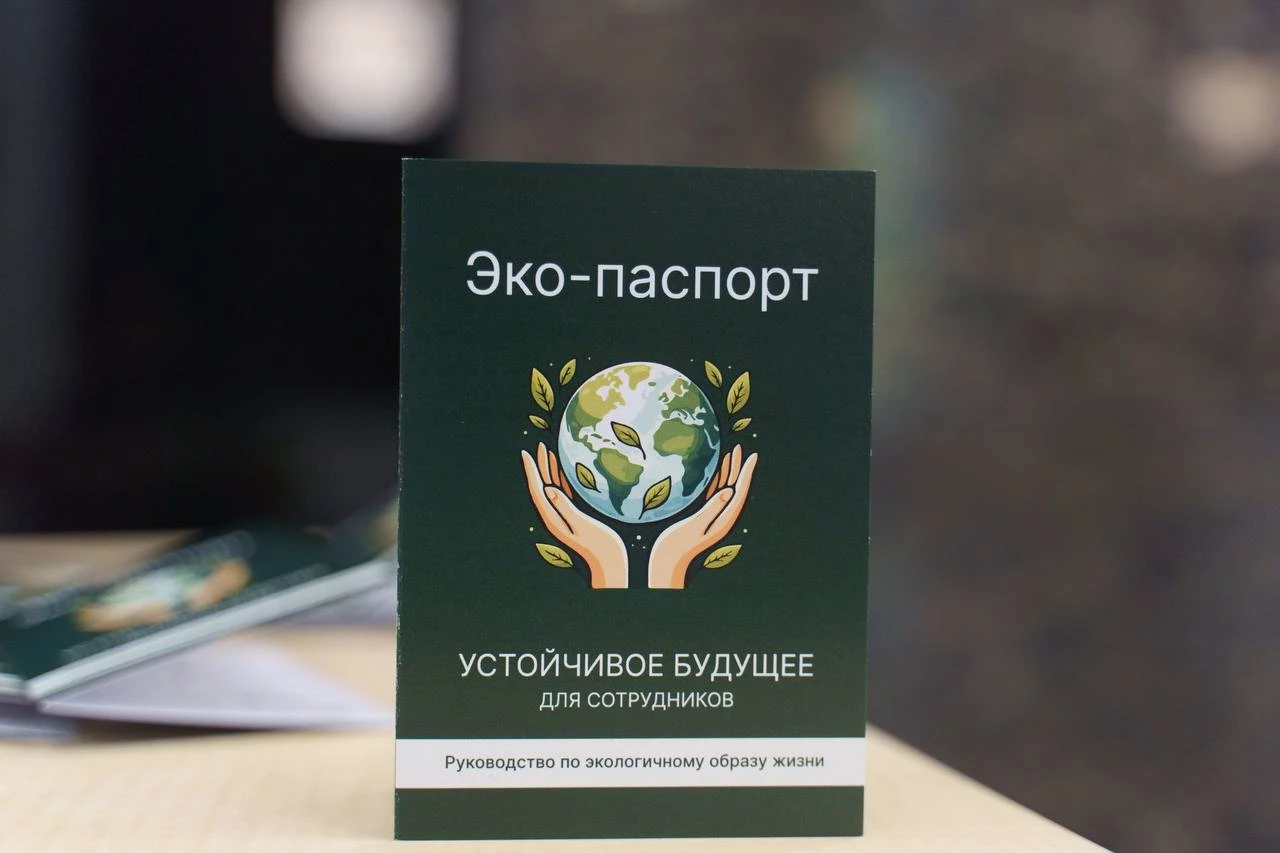
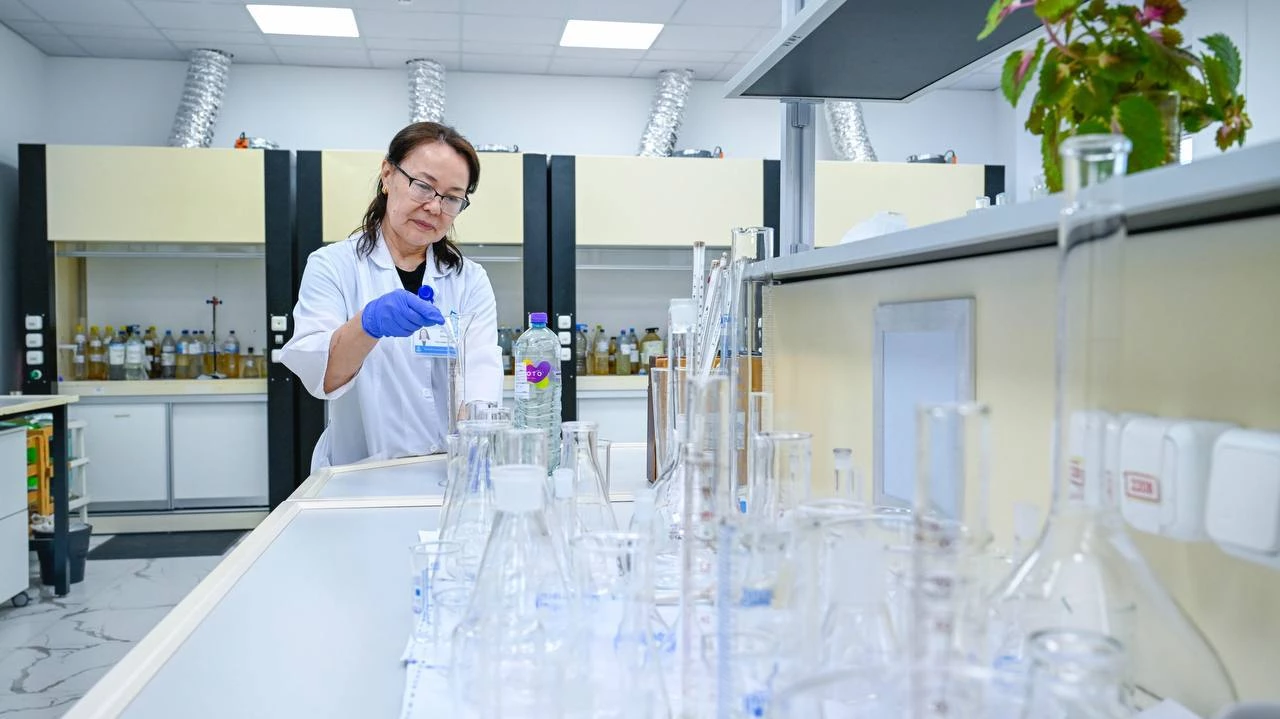
Environmental quizzes were organized for employees, allowing participants to test their knowledge, calculate their personal carbon footprint, join games focused on waste sorting, learn more about Kazakhstan’s biodiversity, and exchange books. The “participant’s eco-passport,” which was filled out as attendees completed quizzes, generated particular interest.

As a national company, KazMunayGas continues to enhance its environmental responsibility and manage natural resources sustainably to ensure the country’s energy security.

KMG actively participates in the Head of State’s large-scale “Taza Qazaqstan” initiative. Last year, as part of the nationwide environmental campaign, the KMG group of companies planted over 113 thousand trees. By the end of this year, the company plans to plant 250 thousand green seedlings across the country, adapted to the climatic conditions of various regions.

The company is also restoring fire-damaged forests in the Auliekol district of Kostanay region, where 150 thousand pine seedlings have been planted over a total area of 22 hectares.

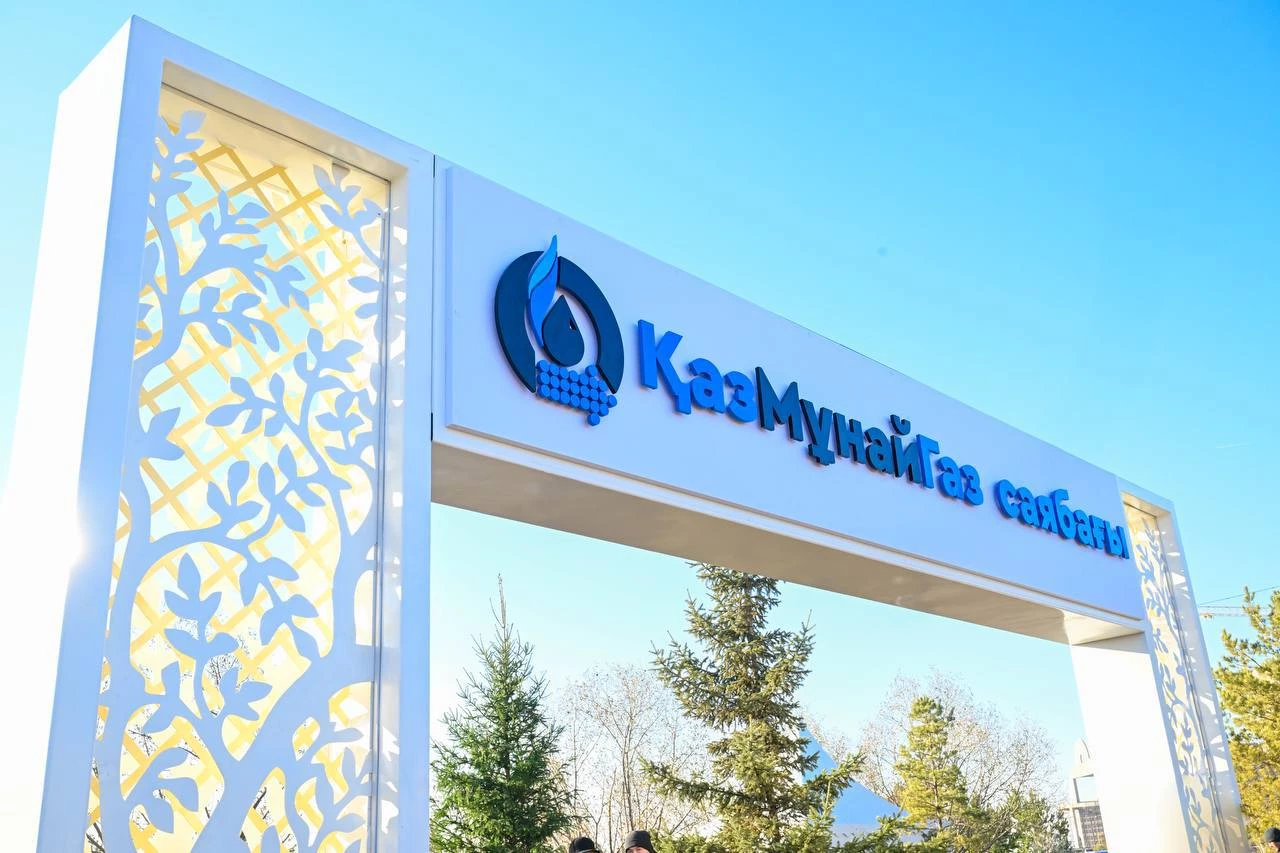
Another contribution to environmental improvement was the opening of “KazMunayGas Sayabagy” in Astana, covering a total area of 6 hectares, where comprehensive landscaping and greening work remains underway.

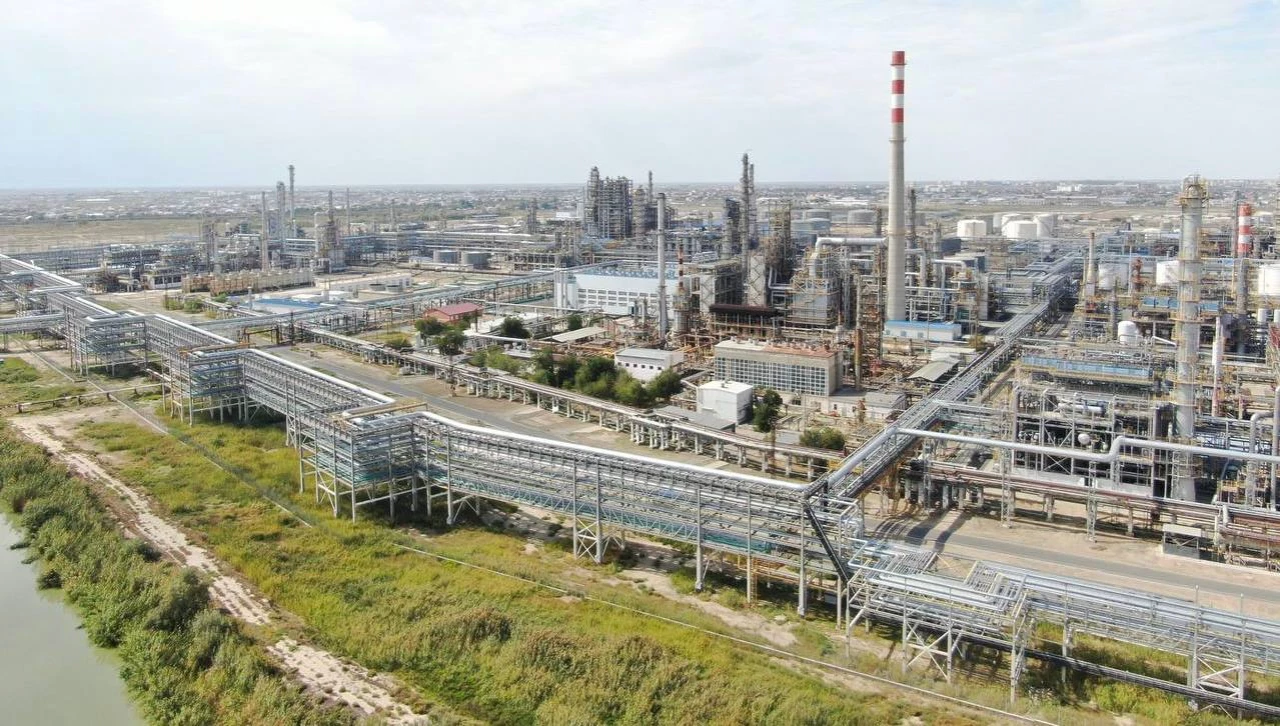
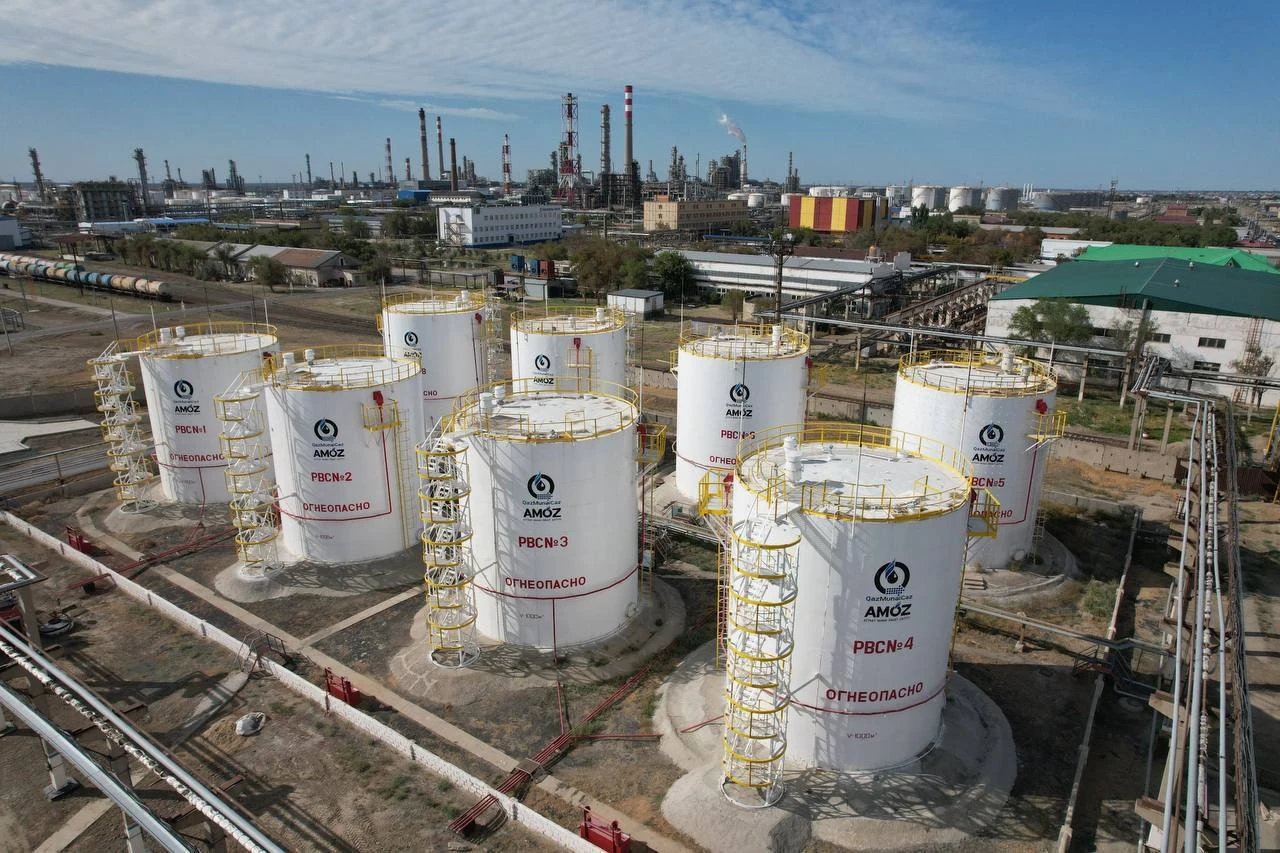
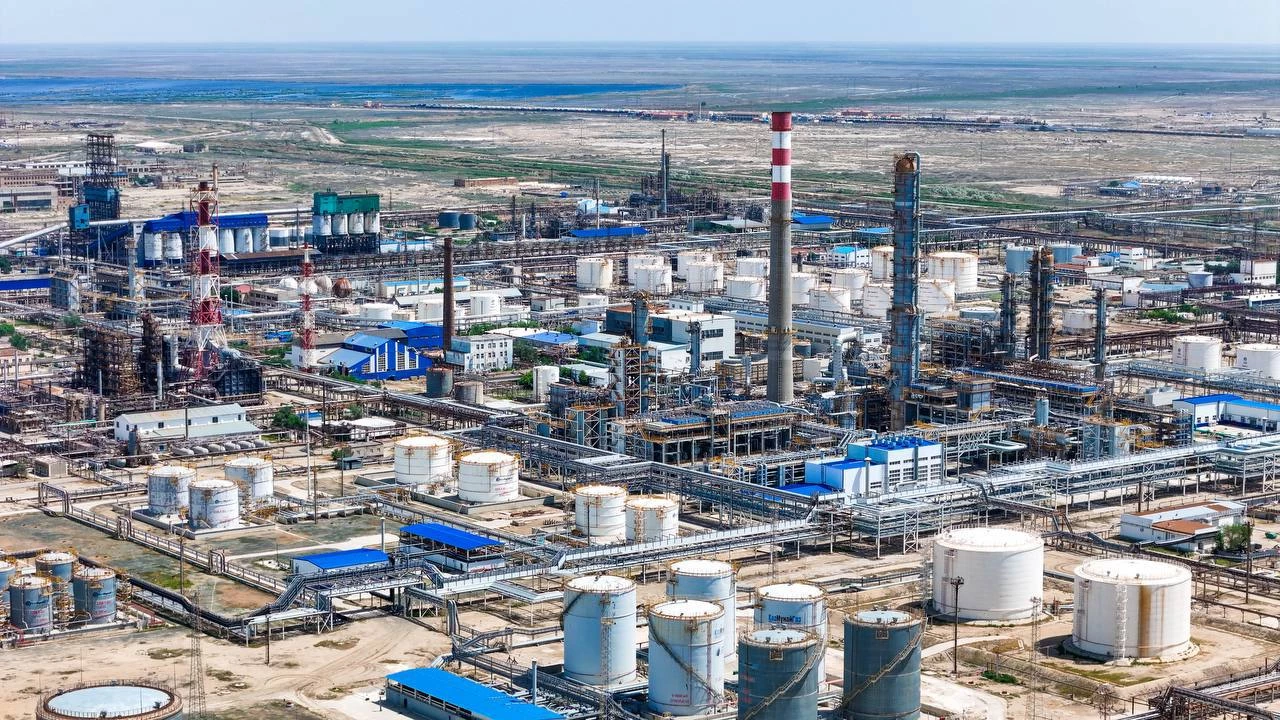
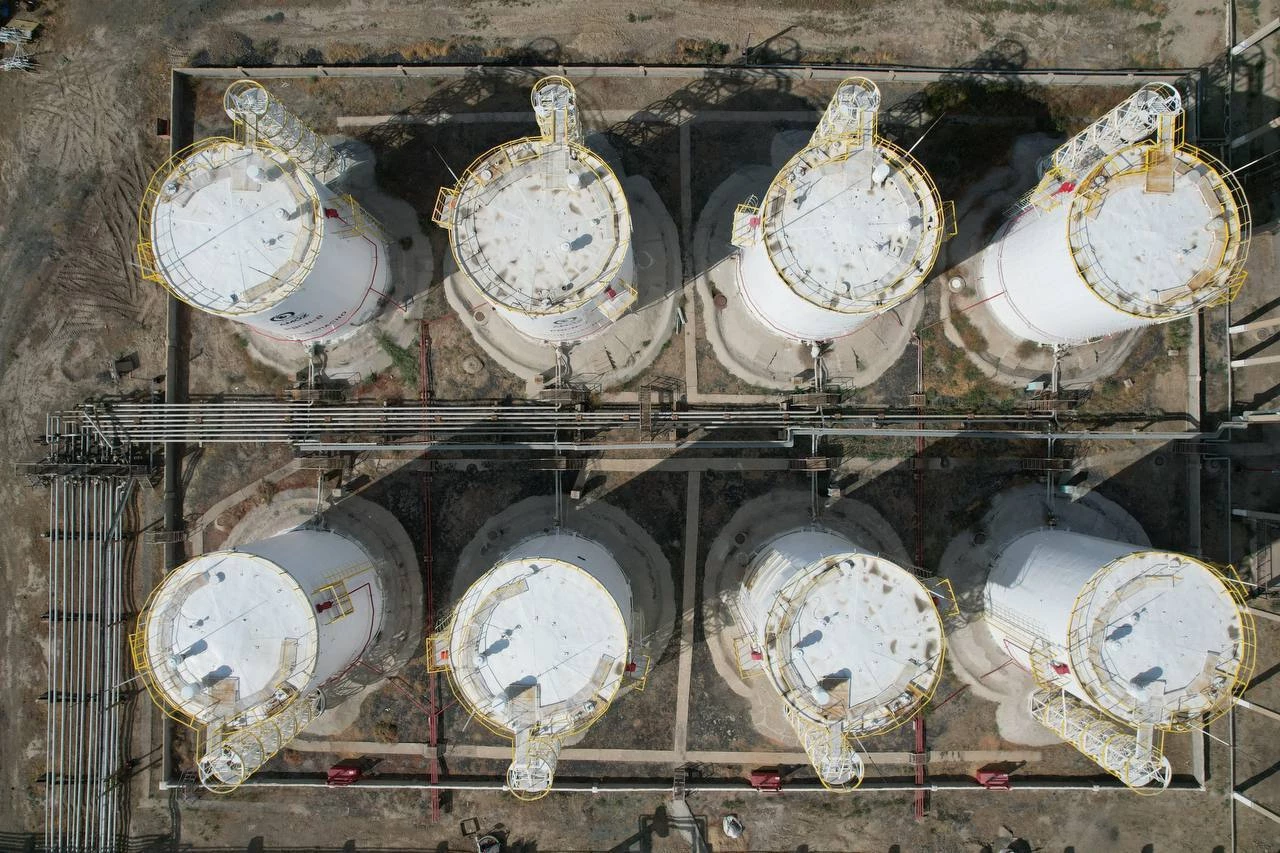
KMG consistently implements projects aimed at reducing the environmental impact of its industrial operations. For instance, the Atyrau Oil Refinery continues equipping oil and oil product storage tanks with special floating roofs (pontoons). These measures reduce hydrocarbon emissions from each tank by 90%. Previously, 13 tanks were fitted with these systems, and in 2026 the refinery plans to equip an additional 9 tanks.

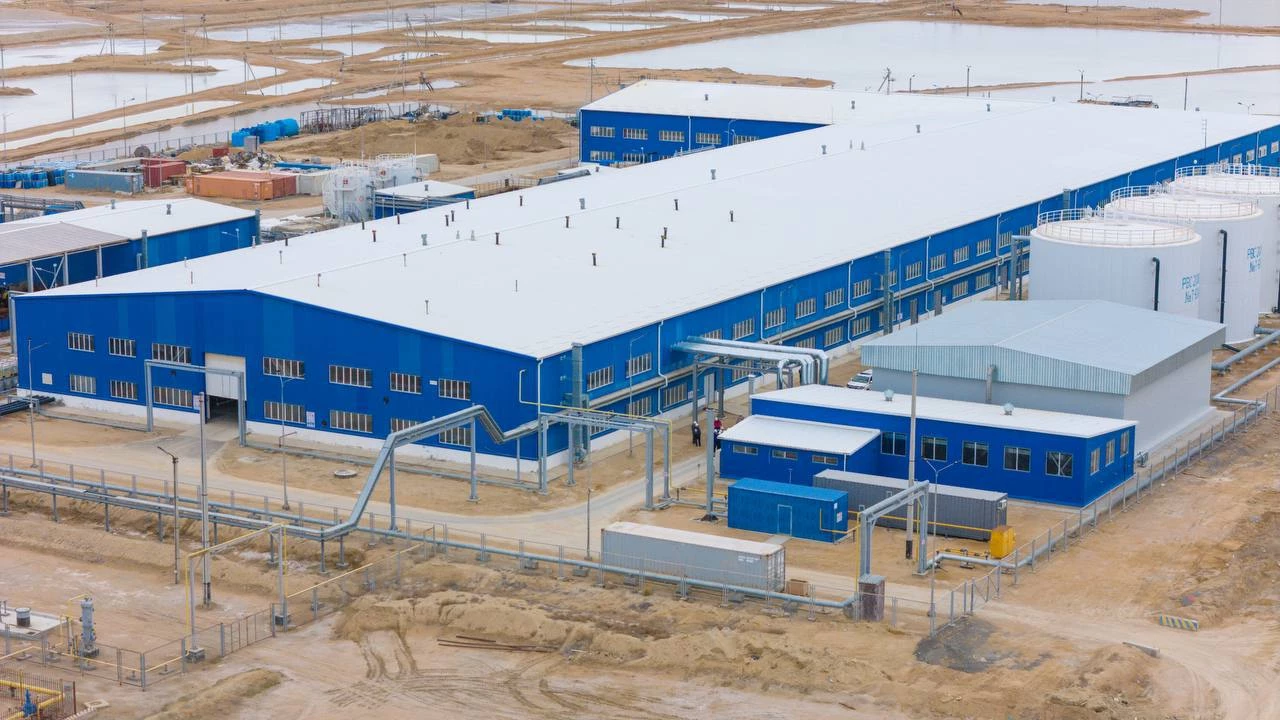
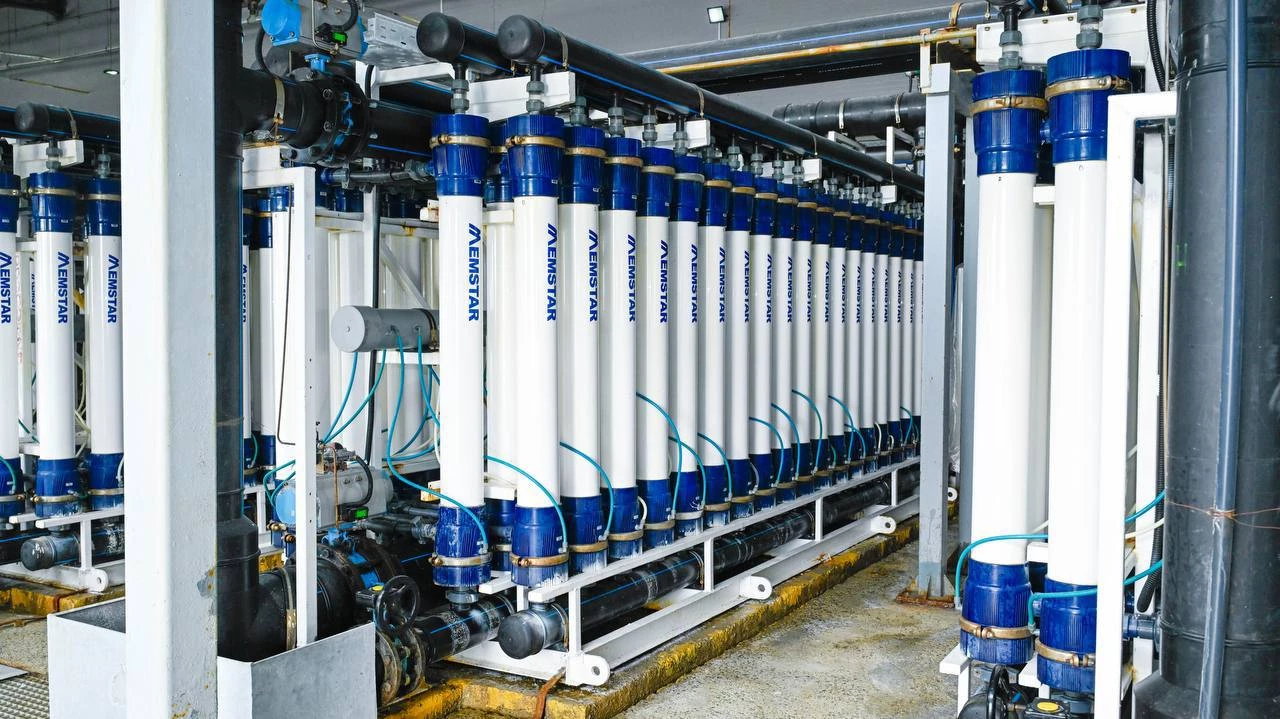
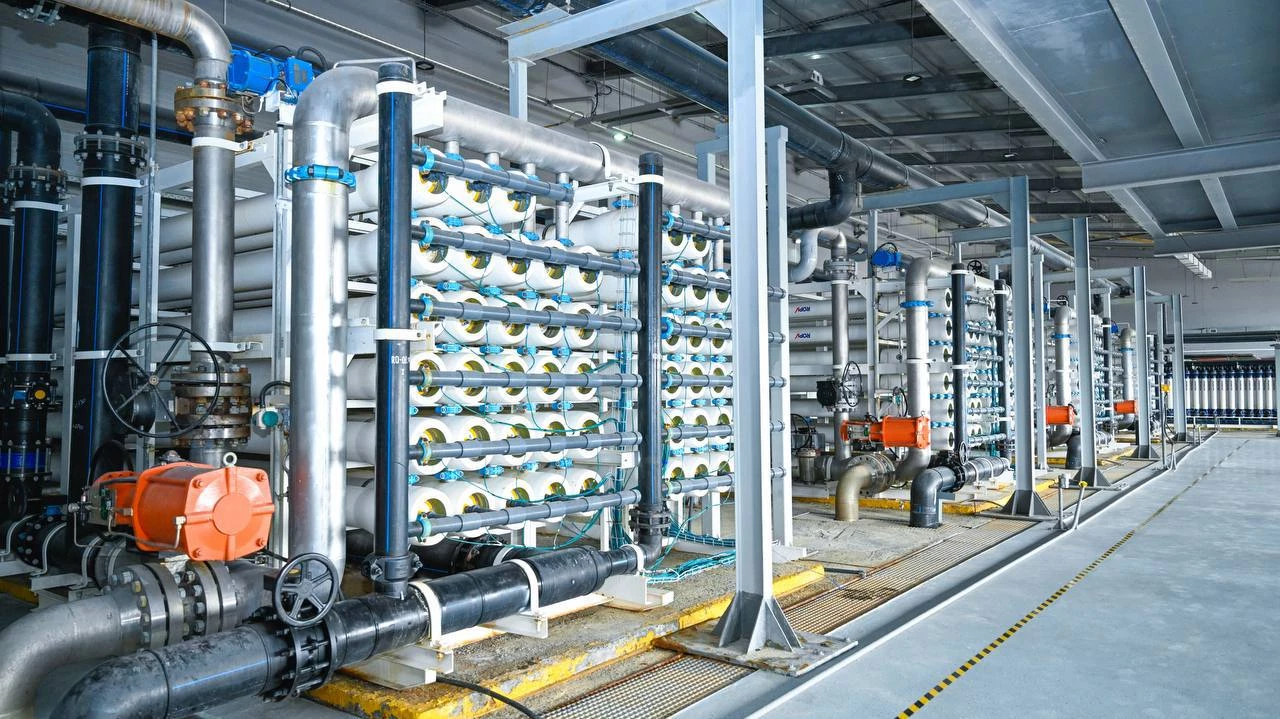
At the Karazhanbas field, a formation water desalination plant operates with an average output of 13 thousand cubic meters per day. Formation water extracted alongside crude oil undergoes a multi-stage filtration system and is repurposed at the field for industrial needs, including steam production. The commissioning of the plant freed up substantial volumes of fresh water from the Astrakhan–Mangyshlak main water pipeline, redirecting it to satisfy the needs of the region's population.

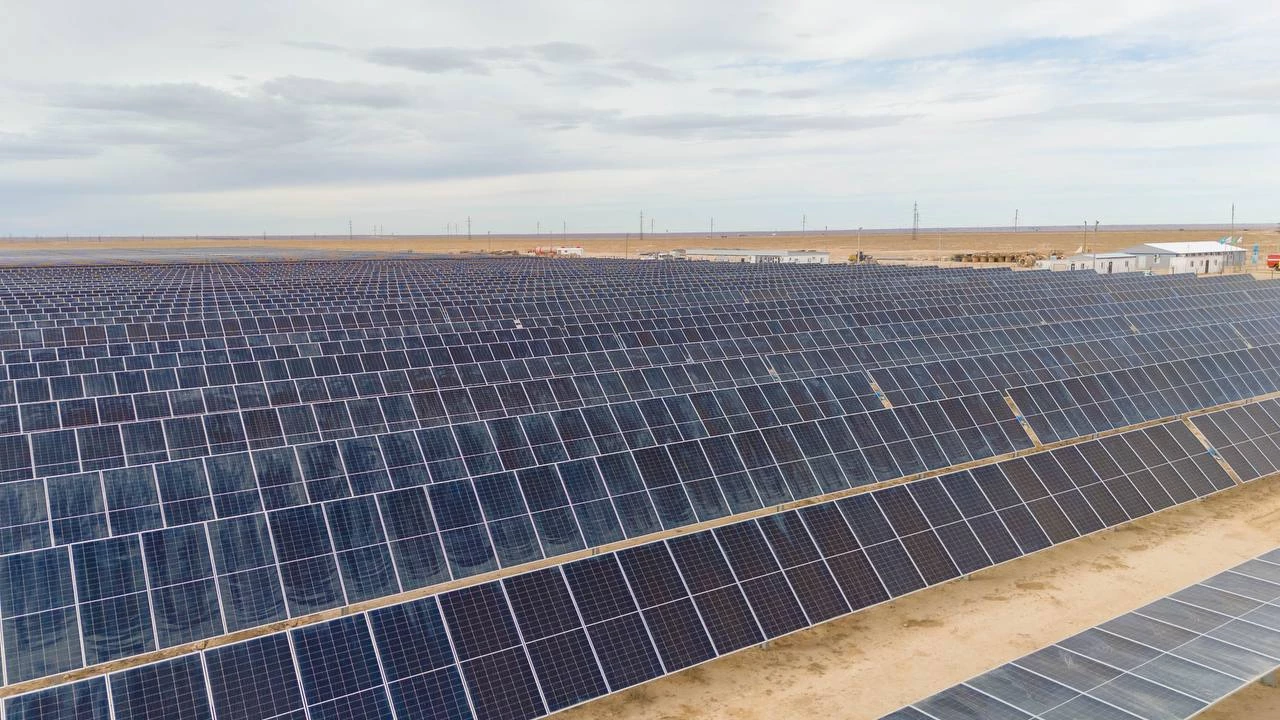
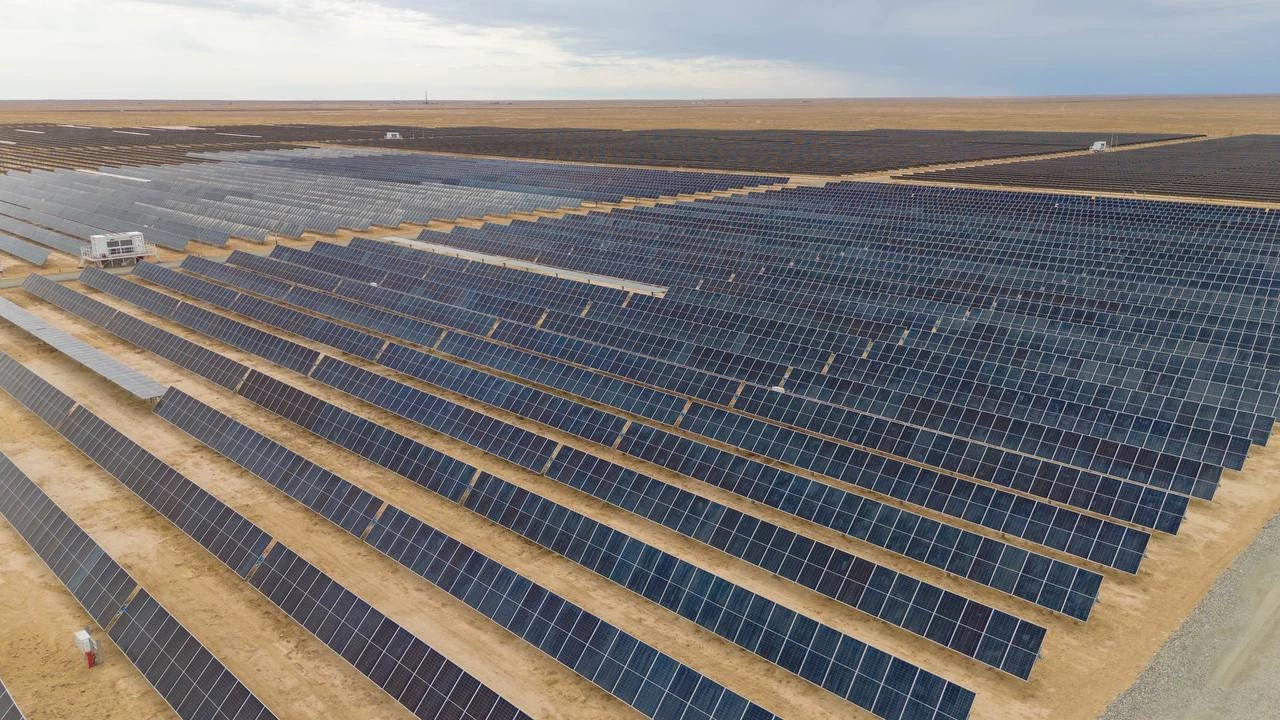
Construction of a hybrid power plant with a total capacity of 247 MW is ongoing in the Mangystau region. Last year, a 50 MW solar power plant was launched, while work continues on the gas-fired and wind power components.

Furthermore, KMG, in collaboration with partners, is implementing a project for the production of sustainable aviation fuel (SAF).

At the same time, the national company is strengthening its position in reducing methane emissions across the Caspian region. While in 2017 the volume of flaring exceeded 300 million cubic meters, by the end of 2025 it fell to 39 million cubic meters, representing an 86% reduction.

Scientists at KMG Engineering have launched Kazakhstan’s first full-cycle pilot facility for green hydrogen production.

Earlier, KMG published its Sustainability Report, which is available for viewing here.

JSC NC KazMunayGas

Today, JSC NC “KazMunayGas” hosted an event dedicated to World Environment Day.

Environmental quizzes were organized for employees, allowing participants to test their knowledge, calculate their personal carbon footprint, join games focused on waste sorting, learn more about Kazakhstan’s biodiversity, and exchange books. The “participant’s eco-passport,” which was filled out as attendees completed quizzes, generated particular interest.

As a national company, KazMunayGas continues to enhance its environmental responsibility and manage natural resources sustainably to ensure the country’s energy security.

KMG actively participates in the Head of State’s large-scale “Taza Qazaqstan” initiative. Last year, as part of the nationwide environmental campaign, the KMG group of companies planted over 113 thousand trees. By the end of this year, the company plans to plant 250 thousand green seedlings across the country, adapted to the climatic conditions of various regions.

The company is also restoring fire-damaged forests in the Auliekol district of Kostanay region, where 150 thousand pine seedlings have been planted over a total area of 22 hectares.

Another contribution to environmental improvement was the opening of “KazMunayGas Sayabagy” in Astana, covering a total area of 6 hectares, where comprehensive landscaping and greening work remains underway.

KMG consistently implements projects aimed at reducing the environmental impact of its industrial operations. For instance, the Atyrau Oil Refinery continues equipping oil and oil product storage tanks with special floating roofs (pontoons). These measures reduce hydrocarbon emissions from each tank by 90%. Previously, 13 tanks were fitted with these systems, and in 2026 the refinery plans to equip an additional 9 tanks.

At the Karazhanbas field, a formation water desalination plant operates with an average output of 13 thousand cubic meters per day. Formation water extracted alongside crude oil undergoes a multi-stage filtration system and is repurposed at the field for industrial needs, including steam production. The commissioning of the plant freed up substantial volumes of fresh water from the Astrakhan–Mangyshlak main water pipeline, redirecting it to satisfy the needs of the region's population.

Construction of a hybrid power plant with a total capacity of 247 MW is ongoing in the Mangystau region. Last year, a 50 MW solar power plant was launched, while work continues on the gas-fired and wind power components.

Furthermore, KMG, in collaboration with partners, is implementing a project for the production of sustainable aviation fuel (SAF).

At the same time, the national company is strengthening its position in reducing methane emissions across the Caspian region. While in 2017 the volume of flaring exceeded 300 million cubic meters, by the end of 2025 it fell to 39 million cubic meters, representing an 86% reduction.

Scientists at KMG Engineering have launched Kazakhstan’s first full-cycle pilot facility for green hydrogen production.

Earlier, KMG published its Sustainability Report, which is available for viewing here.

>